

Dennis Godynuk is the owner of Comfort Appliance Repair in Covington, GA. Comfort Appliance provides fast and reliable repair services for all major household appliances. Dennis and his team of experienced technicians can tackle any problem, from broken refrigerators to malfunctioning dishwashers, and their prices are very competitive. Customers can rest easy knowing that their appliances are in good hands when they call Comfort Appliance Repair.
Refrigerator Maintenance: Common Refrigerator Problems and How to Fix Them
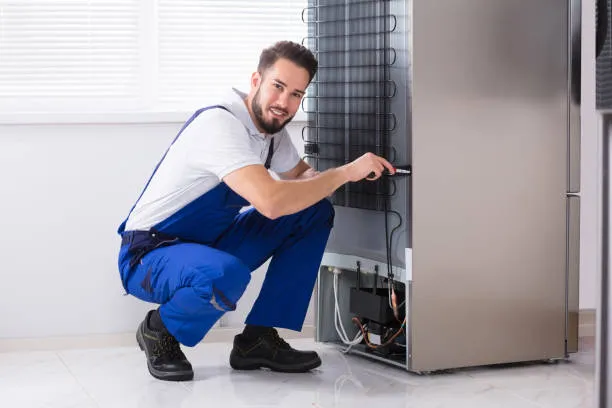
Maintaining your refrigerator is crucial to keeping it running efficiently and extending its lifespan. Regular refrigerator maintenance not only helps you avoid costly repairs but also ensures your appliance operates at its peak performance. In this comprehensive guide, we’ll discuss the most common refrigerator problems and how to fix them. Whether you’re dealing with temperature fluctuations, strange noises, or other issues, understanding refrigerator maintenance can save you time, money, and a lot of hassle.
Understanding the Importance of Refrigerator Maintenance
Refrigerators are one of the most important appliances in our homes. They keep our food fresh and our drinks cold. However, like all machines, they require regular care and attention to function properly. Refrigerator maintenance is essential to prevent common problems and extend the appliance’s life. Regular maintenance can also improve energy efficiency, reducing your electricity bills. In the following sections, this blog by a refrigerator repair expert explores common refrigerator issues and how to fix them effectively.
Common Refrigerator Problems
- Refrigerator Not Cooling Properly
One of the most frequent issues is when a refrigerator is not cooling as it should. This can be due to various reasons, such as dirty condenser coils, malfunctioning fans, or a faulty thermostat.
- Dirty Condenser Coils: Over time, dust and debris can accumulate on the condenser coils, reducing the cooling efficiency. Cleaning the coils regularly is a vital part of refrigerator maintenance.
- Malfunctioning Fans: The evaporator and condenser fans play a critical role in maintaining the refrigerator’s temperature. If these fans are not working correctly, the cooling process is compromised.
- Faulty Thermostat: The thermostat controls the temperature inside the refrigerator. A faulty thermostat can lead to incorrect temperature settings, affecting the cooling performance.
- Refrigerator Making Unusual Noises
Unusual noises coming from your refrigerator can be alarming. These sounds can range from humming and buzzing to clicking and rattling. Most of these noises are caused by the compressor or the fans.
- Buzzing or Humming: This noise usually indicates that the compressor is working hard to maintain the temperature. If the noise becomes louder or more frequent, it might be a sign that the compressor is failing.
- Rattling: Loose parts or debris caught in the fan blades can cause rattling noises. Regular cleaning and checking for loose parts are essential steps in refrigerator maintenance.
- Clicking: This sound often comes from the start relay or overload protector. If these components are failing, they may need replacement.
- Water Leaking from the Refrigerator
Water leakage is another common refrigerator problem that can cause damage to your kitchen floor. A blocked defrost drain or a broken water supply line often causes this issue.
- Blocked Defrost Drain: The defrost drain can get clogged with food particles or ice, causing water to leak inside and outside the refrigerator. Regular cleaning of the defrost drain is an essential part of refrigerator maintenance.
- Broken Water Supply Line: If your refrigerator has a water dispenser or ice maker, a broken water supply line can cause leaks. Inspect the supply line regularly for any signs of wear and tear.
- Refrigerator Freezing Food
If your refrigerator is freezing food, it can be frustrating and wasteful. This problem is usually due to an incorrect temperature setting, a faulty thermostat, or poor airflow inside the refrigerator.
- Incorrect Temperature Setting: Ensure the temperature is set correctly according to the manufacturer’s instructions. Keeping it too cold can cause food to freeze.
- Faulty Thermostat: A malfunctioning thermostat can cause the refrigerator to overcool. Regularly checking and calibrating the thermostat is a key component of refrigerator maintenance.
- Poor Airflow: Blocked vents can prevent proper air circulation, causing cold spots that freeze food. Make sure there is adequate space around the vents for air to flow freely.
- Ice Maker Not Working
An ice maker is a convenient feature in many modern refrigerators, but it can also be a source of frustration if it stops working. Common causes include a clogged water filter, a faulty inlet valve, or an issue with the ice maker control module.
- Clogged Water Filter: The water filter should be replaced regularly to ensure proper water flow. A clogged filter can prevent the ice maker from producing ice.
- Faulty Inlet Valve: The inlet valve controls the water flow to the ice maker. If it is not functioning properly, it might need replacement.
- Ice Maker Control Module: This module controls the ice-making cycle. If it’s malfunctioning, the entire ice-making process can be disrupted.
Essential Refrigerator Maintenance Tips
- Clean the Condenser Coils Regularly
The condenser coils are responsible for releasing heat from the refrigerator. Over time, dust and dirt can accumulate on the coils, reducing their efficiency. Cleaning the coils every six months can help maintain optimal performance and prevent the refrigerator from overheating.
- Check the Door Seals
The door seals, or gaskets, are crucial for maintaining the refrigerator’s internal temperature. If the seals are loose or cracked, cold air can escape, causing the refrigerator to work harder and use more energy. Regularly inspect the seals and replace them if necessary to ensure they are tight and free from damage.
- Defrost the Freezer
Frost buildup in the freezer can reduce its efficiency and storage capacity. Most modern refrigerators have an automatic defrost function, but if yours does not, you should manually defrost it regularly. This process involves turning off the refrigerator, removing all the food, and allowing the frost to melt. Clean the interior thoroughly before turning it back on.
- Replace the Water Filter
If your refrigerator has a water dispenser or ice maker, the water filter should be replaced every six months or as recommended by the manufacturer. A clean filter ensures the water is free from impurities and maintains the flow necessary for ice production.
- Keep the Refrigerator Level
An unlevel refrigerator can cause doors not to close properly, leading to cold air escaping and increasing energy consumption. Use a level to check the refrigerator’s alignment and adjust the legs as needed to ensure they are balanced.
- Monitor Temperature Settings
Regularly check and adjust the temperature settings to ensure they are within the recommended range. The refrigerator compartment should be set to 37-40 degrees Fahrenheit (3-4 degrees Celsius), while the freezer should be set to 0 degrees Fahrenheit (-18 degrees Celsius). Keeping the correct temperature is an essential aspect of refrigerator maintenance.
- Inspect and Clean the Drip Pan
The drip pan collects water that drips during the defrost cycle. Over time, it can become dirty and moldy. Regularly remove, inspect, and clean the drip pan to prevent unpleasant odors and maintain a hygienic refrigerator environment.
Monthly Washing Machine Maintenance Checks
- Run a Cleaning Cycle
It’s advisable to run a cleaning cycle once a month to remove any build-up of detergent, fabric softener, and minerals from the machine. Most modern washing machines have a specific cleaning cycle designed for this purpose. If your machine lacks this feature, you can manually run an empty cycle using hot water, a washing machine cleaner, or a mixture of white vinegar and baking soda. This monthly washing machine maintenance task helps keep the internal components clean and residue-free.
- Inspect the Hoses
Hoses are essential components of your washing machine. They supply water to the machine and drain it after the wash cycle. Inspect the hoses for any signs of wear, cracks, or leaks as part of your monthly washing machine maintenance. Replace damaged hoses immediately to prevent water damage to your home and ensure the smooth operation of your washing machine.
- Check for Leaks
Check for leaks around the washing machine regularly. Leaks can indicate issues with the hoses, door seals, or even internal components. Early detection and repair of leaks are crucial for effective washing machine maintenance and can prevent costly repairs.
Seasonal Washing Machine Maintenance Tips
- Deep Clean the Machine
Every few months, it’s essential to perform a deep clean on your washing machine to remove any stubborn build-up and ensure optimal performance. Run an empty cycle with a washing machine cleaner or a mixture of white vinegar and baking soda for this washing machine maintenance task. Pay special attention to cleaning the drum, detergent dispenser, door seals, and other areas where dirt and grime can accumulate.
- Check and Tighten Connections
Over time, the connections between the hoses and the washing machine can loosen due to vibrations during wash cycles. As part of your seasonal washing machine maintenance routine, check these connections and tighten them if necessary. This practice helps to prevent leaks and ensures that the machine operates efficiently.
- Inspect the Door Seals
The door seals, also known as gaskets, prevent water from leaking from the washing machine during a cycle. However, these seals can become dirty or damaged over time, leading to potential leaks and mold growth. Inspect the door seals regularly and clean them with water and mild detergent. If you notice any cracks or damage, it’s crucial to replace the seals promptly as part of your washing machine maintenance regimen.
- Balance the Machine
A washing machine that is not level can cause excessive vibrations, noise, and even damage over time. To maintain balance, check the level of the machine using a spirit level and adjust the feet as needed. This simple washing machine maintenance step can significantly extend the life of your appliance.
Long-Term Washing Machine Maintenance Strategies
- Use High-Efficiency Cycles
Many modern washing machines have high-efficiency cycles designed to save water and energy. Regularly using these cycles can reduce wear and tear on your machine, contributing to its longevity. Incorporating high-efficiency cycles into your washing machine maintenance routine can help you save on utility bills while ensuring your machine operates at its best.
- Avoid Using Excessive Fabric Softener
While fabric softeners can make your clothes feel softer, too much can lead to residue build-up in your washing machine. This build-up can cause blockages, unpleasant odors, and even mechanical issues. To avoid these problems, use fabric softener sparingly and consider alternative methods, such as dryer balls, to soften your laundry. This washing machine maintenance tip will help to keep your machine clean and running smoothly.
- Schedule Professional Maintenance
Even with regular washing machine maintenance, having your machine professionally serviced at least once a year is a good idea. A technician can inspect the internal components, check for potential issues, and perform necessary repairs. Professional maintenance can catch problems early, ensuring your washing machine remains in excellent condition for years.
Common Washing Machine Issues and How to Address Them
- Machine Not Draining Properly
One common issue many washing machine owners encounter is the machine needing to drain correctly. This problem is often caused by a clogged filter or a blockage in the drain hose. As part of your regular washing machine maintenance routine, check the filter and drain hose for any debris and clean them thoroughly. If the problem persists, calling a professional technician for assistance may be necessary.
- Unpleasant Odors
If your washing machine develops a foul smell, it’s likely due to detergent residue, mold, or mildew build-up. Regularly clean the drum, detergent dispenser, and door seals to combat this issue. Running an empty cycle with hot water and a cup of white vinegar can also help eliminate odors. Preventing odors is a crucial aspect of washing machine maintenance that ensures your laundry always smells fresh.
- Excessive Vibration and Noise
Excessive vibration and noise during the wash cycle can be caused by an unbalanced load or an improperly leveled machine. To address this issue, ensure the machine is level and avoid overloading it with laundry. Additionally, check for any loose components that may be causing the noise. Regular washing machine maintenance and proper loading practices can reduce vibration and noise, ensuring a smoother and quieter wash cycle.
DIY Refrigerator Repairs
While some refrigerator problems require professional help, many issues can be resolved with simple DIY repairs. Here are some common DIY solutions for refrigerator maintenance:
- Replacing the Door Gasket
A faulty door gasket can cause air leaks, reducing cooling efficiency. To replace the gasket, first, remove the old one by pulling it away from the door. Clean the surface and install the new gasket by pressing it firmly into place.
- Fixing the Thermostat
If the thermostat is not functioning correctly, it can be recalibrated or replaced. Locate the thermostat (usually inside the refrigerator) and adjust it according to the manufacturer’s instructions. If the problem persists, consider replacing it with a new one.
- Cleaning the Condenser Coils
Unplug the refrigerator and locate the condenser coils, usually found at the back or beneath the appliance. Use a coil brush or vacuum to remove dust and debris. This simple step can improve cooling efficiency and prevent overheating.
- Unclogging the Defrost Drain
A clogged defrost drain can cause water to leak inside the refrigerator. To fix this, unplug the refrigerator and locate the drain hole (usually at the bottom of the freezer compartment). Use a pipe cleaner or a small funnel with warm water to clear the blockage.
- Replacing the Water Filter
Replacing the water filter is a straightforward process that can improve water quality and ice production. Locate the filter, usually inside the refrigerator or behind a panel, and follow the manufacturer’s instructions for replacement.
When to Call a Professional
While many refrigerator maintenance tasks can be done on your own, some problems require professional attention. Here are a few scenarios when it’s best to call an expert:
- Refrigerator Not Running at All
If your refrigerator has completely stopped working and you’ve checked the power supply, it’s time to call a professional. This could be a sign of a serious electrical issue or a major component failure.
- Persistent Temperature Issues
If the refrigerator continues to have temperature fluctuations despite your maintenance efforts, a professional can diagnose and repair the underlying problem, such as a faulty compressor or coolant leak.
- Unusual Noises That Persist After Maintenance
If the unusual noises persist after you’ve cleaned and checked all moving parts, there could be a more serious issue with the compressor or motor that requires professional repair.
- Water Leaks You Can’t Locate or Fix
Suppose you’re unable to locate the source of a leak, or it continues despite clearing the defrost drain and checking the water supply line. In that case, a professional technician can help pinpoint and resolve the issue.
Conclusion: The Benefits of Regular Refrigerator Maintenance
Regular refrigerator maintenance is key to ensuring your appliance runs efficiently and has a long lifespan. By keeping the condenser coils clean, checking door seals, defrosting the freezer, and replacing water filters, you can prevent many common problems and reduce the need for costly repairs. While some issues may require professional attention, many refrigerator problems can be resolved with simple DIY maintenance.
By following these refrigerator maintenance tips, you’ll not only keep your appliance in top shape but also save money and energy. Remember, a well-maintained refrigerator is a reliable one, keeping your food fresh and your kitchen running smoothly.
Stay proactive with refrigerator maintenance to enjoy a hassle-free appliance experience for years to come!