

Dennis Godynuk is the owner of Comfort Appliance Repair in Covington, GA. Comfort Appliance provides fast and reliable repair services for all major household appliances. Dennis and his team of experienced technicians can tackle any problem, from broken refrigerators to malfunctioning dishwashers, and their prices are very competitive. Customers can rest easy knowing that their appliances are in good hands when they call Comfort Appliance Repair.
Dishwasher Maintenance: How Regular Care Can Save You Money
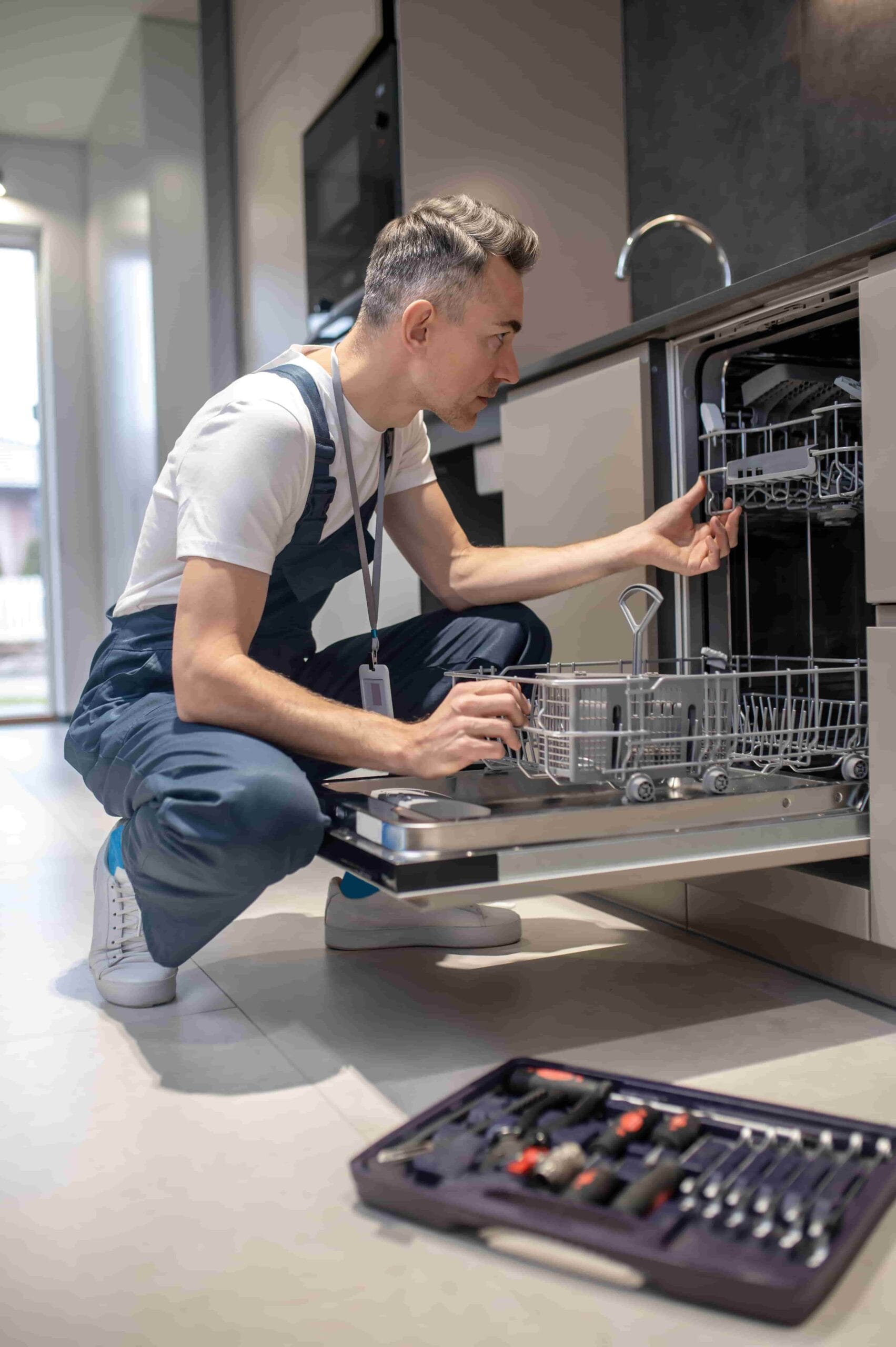
In today’s fast-paced world, dishwashers have become indispensable in many American households. However, like machines, they require regular maintenance to operate efficiently and avoid costly repairs or replacements. Dishwasher maintenance might seem like a hassle, but a small investment of time and effort can lead to significant savings in the long run. This comprehensive guide by dishwasher repair expert will delve into the various aspects of dishwasher maintenance, showing you how to keep your dishwasher in top shape while cutting down on expenses.
The Importance of Regular Dishwasher Maintenance
Dishwasher maintenance is essential for prolonging the lifespan of your appliance, ensuring it runs efficiently, and preventing expensive repairs. A well-maintained dishwasher cleans your dishes better and uses less water and energy, directly translating into lower utility bills. Neglecting regular maintenance can lead to many problems, including clogs, leaks, and even complete breakdowns.
How Regular Dishwasher Maintenance Saves You Money
- Prevents Costly Repairs
- Regular dishwasher maintenance helps identify minor issues before they escalate into major problems requiring expensive repairs. For example, checking and cleaning the filters regularly can prevent food particles from clogging the drain, which could lead to water damage or the need for a replacement part.
- Extends Appliance Lifespan
- A well-maintained dishwasher can last significantly longer than one that is neglected. By performing regular dishwasher maintenance, you can avoid purchasing a new appliance prematurely, saving you hundreds of dollars.
- Reduces Utility Bills
- An efficiently running dishwasher uses less water and energy. Dishwasher maintenance, such as descaling to remove hard water deposits, ensures that the appliance operates at peak efficiency, which can reduce your water and electricity consumption.
- Improves Cleaning Performance
- Proper dishwasher maintenance ensures that your dishes come out clean every time. This means you won’t have to rewash dishes, saving on water, detergent, and energy costs.
Essential Dishwasher Maintenance Tips
Regular dishwasher maintenance is easier. Following these simple steps, you can keep your appliance running smoothly and efficiently for years.
- Clean the Dishwasher Filter Regularly
The filter is one of the most critical components of your dishwasher. It traps food particles and prevents them from recirculating onto your dishes. Over time, the filter can become clogged, reducing the dishwasher’s efficiency and leading to unpleasant odours. For effective dishwasher maintenance, clean the filter at least once a month. Please remove it from the appliance and rinse it under warm water to remove any debris.
- Check and Clean the Spray Arms
The spray arms distribute water throughout the dishwasher during the wash cycle. If they become clogged with food particles or mineral deposits, your dishwasher won’t clean as effectively. As part of your regular dishwasher maintenance routine, inspect the spray arms and clean any blockages using a toothpick or small brush.
- Run a Cleaning Cycle with Vinegar and Baking Soda
Over time, your dishwasher can develop a buildup of grease, soap scum, and food particles. To combat this, run a cleaning cycle with vinegar and baking soda as part of your dishwasher maintenance routine. Place a cup of white vinegar in a dishwasher-safe container on the top rack and run a hot water cycle. Then, sprinkle baking soda on the bottom of the dishwasher and run a short cycle. This will help to deodorize and clean the interior of your appliance.
- Inspect and Clean the Door Seal
The door seal, or gasket, is crucial in keeping water inside the dishwasher during a cycle. Over time, it can accumulate food particles and debris, leading to leaks. Regularly inspect and clean the door seal as part of your dishwasher maintenance routine. Wipe it down with a damp cloth and mild detergent to remove buildup.
- Check the Dishwasher Drain
A clogged drain can lead to standing water in your dishwasher, which can cause unpleasant odours and reduce the appliance’s efficiency. During your dishwasher maintenance routine, check the drain for any blockages. If you notice standing water at the bottom of your dishwasher, you may need to remove and clean the drain.
- Descale Your Dishwasher to Remove Hard Water Deposits
Hard water deposits, or limescale, can build up inside your dishwasher over time, especially if you live in an area with hard water. This buildup can reduce the efficiency of your appliance and lead to spots on your dishes. Descaling is an essential part of dishwasher maintenance. Use a dishwasher-safe descaling agent or a cup of white vinegar to run an empty cycle to help remove these deposits.
- Use the Right Detergent and Rinse Aid
Using the correct detergent and rinse aid is crucial for optimal dishwasher performance. Ensure that you’re using a detergent compatible with your dishwasher, and consider adding a rinse aid to help with drying. Proper detergent use is a key part of dishwasher maintenance, as using too much or too little can affect cleaning performance and cause residue buildup.
Common Dishwasher Maintenance Mistakes to Avoid
While dishwasher maintenance is relatively straightforward, homeowners make some common things that need to be corrected, which can lead to issues down the road. Here are a few things to avoid:
- Overloading the Dishwasher
While it might be tempting to pack as many dishes as possible into your dishwasher, overloading it can prevent water and detergent from reaching all the items effectively. This can lead to poor cleaning performance and even damage your appliance over time. As part of your dishwasher maintenance routine, load the dishwasher correctly, leaving enough space for water to circulate.
- Not Running the Dishwasher Regularly
Even if your dishwasher isn’t full, it’s important to run it regularly to keep the seals from drying out and to prevent food particles from hardening inside the machine. Regular use is a vital aspect of dishwasher maintenance.
- Using the Wrong Type of Soap
Never use regular or hand soap in your dishwasher; it can create excessive suds and lead to leaks. Always use dishwasher-specific detergent. This is a critical part of dishwasher maintenance, as using the wrong soap can damage your appliance.
- Ignoring Warning Signs
Don’t ignore these warning signs if you notice strange noises, leaks, or declining cleaning performance. They could indicate a need for immediate dishwasher maintenance or repair. Addressing these issues promptly can prevent more extensive and costly repairs later on.
How Often Should You Perform Dishwasher Maintenance?
The frequency of dishwasher maintenance depends on how often you use the appliance. A monthly maintenance routine is recommended for households that run their dishwasher daily. However, if you use your dishwasher less frequently, you can extend this to every two to three months. Regular maintenance is key to keeping your dishwasher running efficiently and preventing expensive repairs.
Signs Your Dishwasher Needs Maintenance
Being proactive with dishwasher maintenance can save you from the headache of dealing with a broken appliance. Here are some signs that your dishwasher might be overdue for some TLC:
- Dishes Aren’t Coming Out Clean
- If you notice that your dishes are still dirty or have residue after a wash cycle, it’s a clear sign that your dishwasher needs maintenance.
- Unpleasant Odors
- A foul smell from your dishwasher is a common indicator that food particles or grease are trapped in the appliance. Regular cleaning is essential to prevent these odours from developing.
- Water Doesn’t Drain Properly
- If you notice standing water in the bottom of your dishwasher after a cycle, it could indicate a clogged drain or filter that needs immediate attention.
- Strange Noises
- Unusual sounds during the wash cycle can indicate something wrong, such as a clogged spray arm or a worn-out part. These issues should be addressed promptly as part of your dishwasher maintenance routine.
- Dishes Aren’t Coming Out Clean
DIY vs. Professional Dishwasher Maintenance
While homeowners can handle many aspects of dishwasher maintenance, some tasks are best left to professionals. If you’re uncomfortable performing certain maintenance tasks or encounter a problem you can’t resolve, it’s wise to call in a professional technician. They can perform a thorough inspection, clean hard-to-reach areas, and make any necessary repairs to keep your dishwasher running smoothly.
The Long-Term Benefits of Regular Dishwasher Maintenance
Investing time in regular dishwasher maintenance offers numerous long-term benefits. Not only will it save you money on repairs and energy bills, but it will also ensure that your appliance performs at its best for many years. Maintaining your dishwasher also contributes to a more sustainable lifestyle by reducing water and energy consumption.
FAQ on Dishwasher Use and Maintenance
Do I need to pre-rinse dishes before loading?
Modern dishwashers are designed to handle light food residue, so pre-rinsing isn’t necessary. Just scrape off large chunks of food to prevent clogs and let the dishwasher handle the rest.
Is it okay to run my dishwasher daily?
Yes, daily use is fine as long as the dishwasher is loaded correctly and cleaned regularly. Frequent use may even help prevent residue buildup and keep seals from drying out.
How can I prevent cloudy glasses or white film?
Cloudy glasses are often caused by hard water or too much detergent. Use a rinse aid and adjust the detergent amount according to your water hardness level. Running the hot water tap before starting the cycle also helps improve results.
Conclusion
In conclusion, regular dishwasher maintenance is essential for anyone who wants to keep their appliance running efficiently and avoid costly repairs or replacements. Following the tips outlined in this guide, you can ensure that your dishwasher remains in top condition, providing clean dishes and lower utility bills for years. Remember, a little effort goes a long way in maintaining your dishwasher and protecting your investment.
By prioritizing dishwasher maintenance, you’re ensuring your appliance’s longevity and making a smart financial decision that will pay off in the long run. So, take the time to care for your dishwasher; it will continue to serve you well, saving you money and hassle.